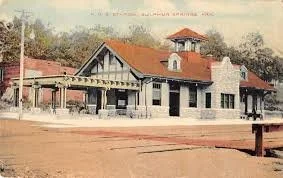
Some History About Sulphur Springs
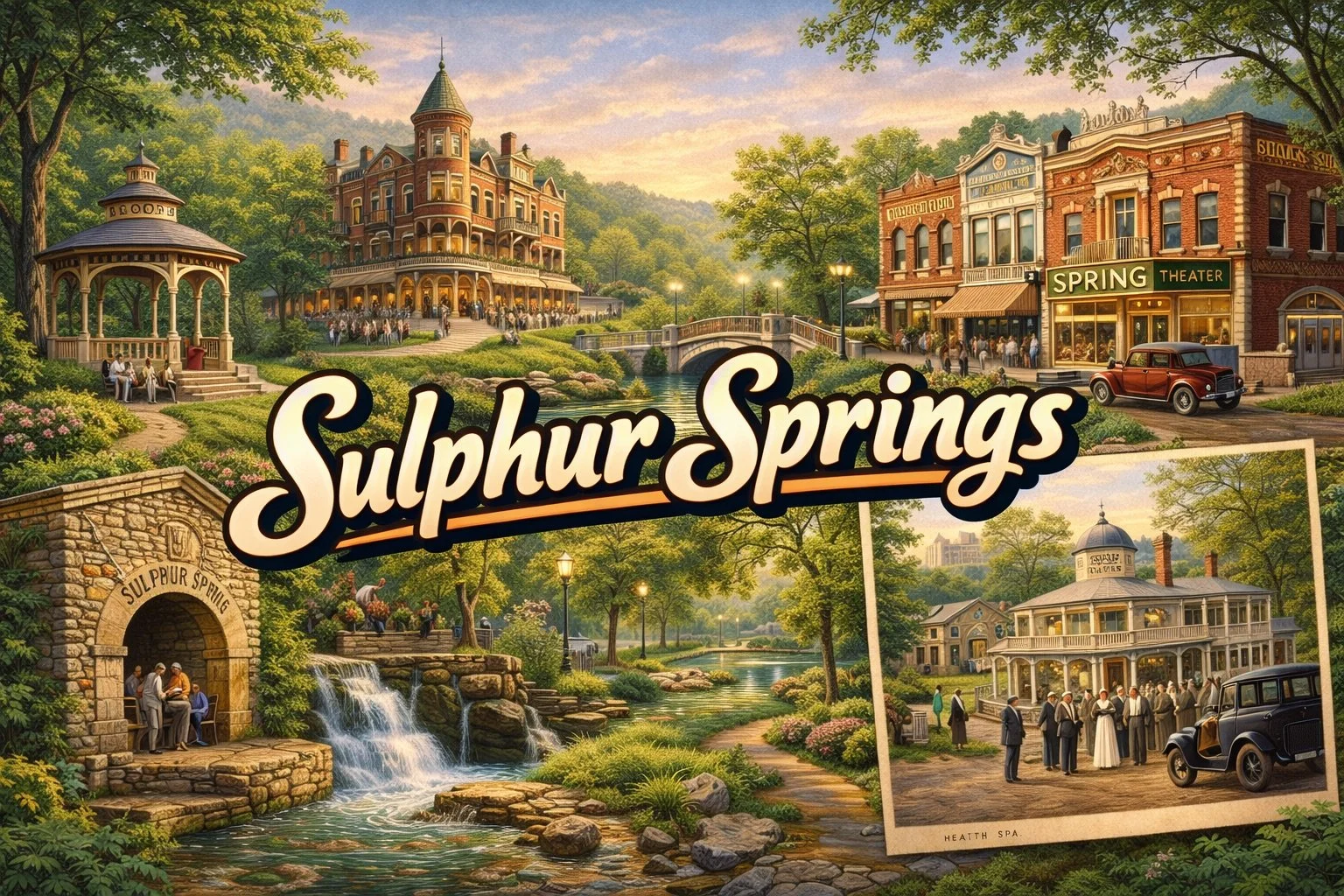
Sulphur Springs, Arkansas, located in Benton County, began in the late 19th century as a booming health resort town known for its mineral springs, including rare lithium water, that attracted tourists for their reported healing properties. Founded in 1885 and connected by the railroad in 1891, it became a popular spa destination.
Wikipedia +3
Key Historical Aspects:
Establishment & Growth: Founded by Charles H. Hibler, the town developed around natural springs, with a post office established in 1878.
Railroad Hub: In 1891, it became a terminal for the Kansas City Southern Railway, fueling a boom in hotels and businesses.
Resort Era:
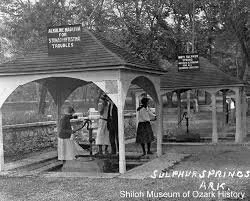
The town was famous for its mineral-rich waters (black sulphur, iron, etc.) that attracted visitors seeking cures for ailments
.
Setbacks: Significant fires in 1911 and 1912 destroyed much of the downtown, damaging its reputation as a tourist destination.
John Brown University: In 1924, evangelist John Brown purchased the Kilberg Hotel and surrounding land, operating a school there for a period.
Modern Era: Today, it is a small town of about 481 people with some remaining, albeit non-functional, stone gazebos from its resort heyday.
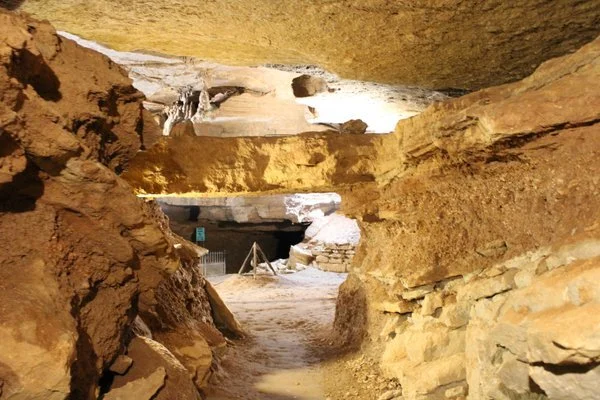
Old Spanish Treasure Cave
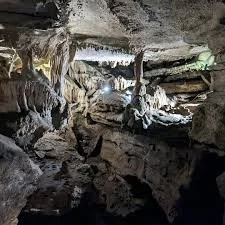
Located in Sulphur Springs, Arkansas, the Old Spanish Treasure Cave is a famous Ozark attraction steeped in legend, where Spanish Conquistadors supposedly hid vast amounts of treasure in a "maze-like" cave system during a winter storm. Since the late 1800s, explorers have sought this treasure, which remains undiscovered. Today, it offers one-hour guided tours through unique geological formations, a gift shop, and gem sluicing.
Spanish Treasure Cave +4
Key Details About Old Spanish Treasure Cave:
Location: Situated on Highway 59 between Sulphur Springs and Gravette, Arkansas.
The Legend: According to lore, Spanish Conquistadors in the 17th or 18th century hid chests of gold and artifacts in the cave system, which has three levels and over a mile of mapped passages.
Tour Highlights: The cave remains a constant 58 degrees, featuring a natural, uncommercialized state with passages, a "Council Room," and opportunities to see bats or salamanders.
Activities: In addition to guided, educational tours, visitors can pan for gems, fossils, and minerals in the sluice, or visit the historic log cabin gift shop.
Visitor Information: The attraction is known for being family-friendly, though it is recommended to bring sturdy, non-skid shoes. It has been a popular tourist destination since 1908
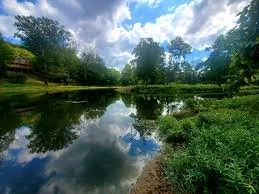
Sulphur Springs Park
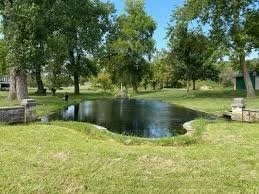
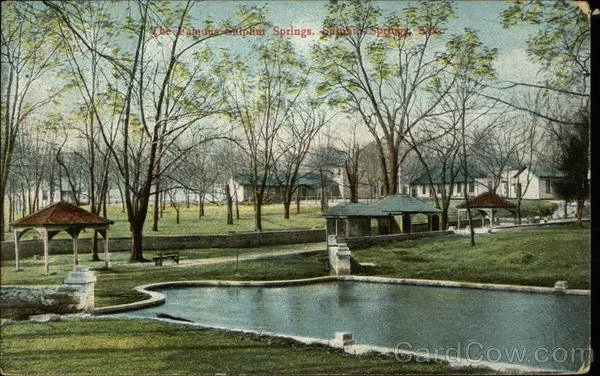
The Sulphur Springs Park Reserve is a historic former spa area at the heart of Sulphur Springs, Benton County, Arkansas. The area is 16.5 acres (6.7 ha) bounded on the east by Lake La Balladine, impounded by a dam on Butler Creek.
The park has modern amenities: the entrance sign lists courts and fields for tennis, basketball, baseball, and soccer; RV and tent camping, and picnic tables; swimming and fishing; and a playground.
Central to the park is Lake La Balladine (meaning, the dancer) which is fed by Butler Creek, and four of the mineral springs that gave Sulphur Springs its name.[2][3]
History
In anticipation of the railroad's arrival, Charles Hibler had Sulphur Springs platted to sell plots of land, and he and his wife built cottages, a hotel, and bathhouse to encourage visitors to come to the budding spa town.[3]: 320 Between 1889 and 1891, the Kansas City Southern Railway built a rail to Sulphur Springs.[4]: 199 At this same time, in 1889, Hibler and the new town drained the lake and discovered three more mineral springs, which are in this park.[5]For at least a time in the early 1900s, the park was named Edson Park, in honor of Job A. Edson the president of Kansas City Southern Railway.[6][7]At its largest, the park extended across what is now State Highway 5 to E. Patterson St., and then across Patterson was the reserve which was also a greenspace where a few large hotels were erected. US Highway 71 (now the state highway) cut through the park in 1926.[8]
Historical features
In addition to modern features, the park also has historic areas that were listed on the National Register of Historic Places in 1999.[9]
Gazebo
[edit]
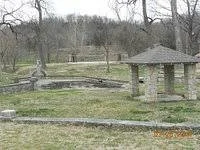
Across Fair Avenue from the mineral springs is a wooden gazebo. This used to be the center of the park and reserve, before State Highway 59 was built through the park in 1926. It has been restored to maintain its original appearance.
Kihlberg Hotel
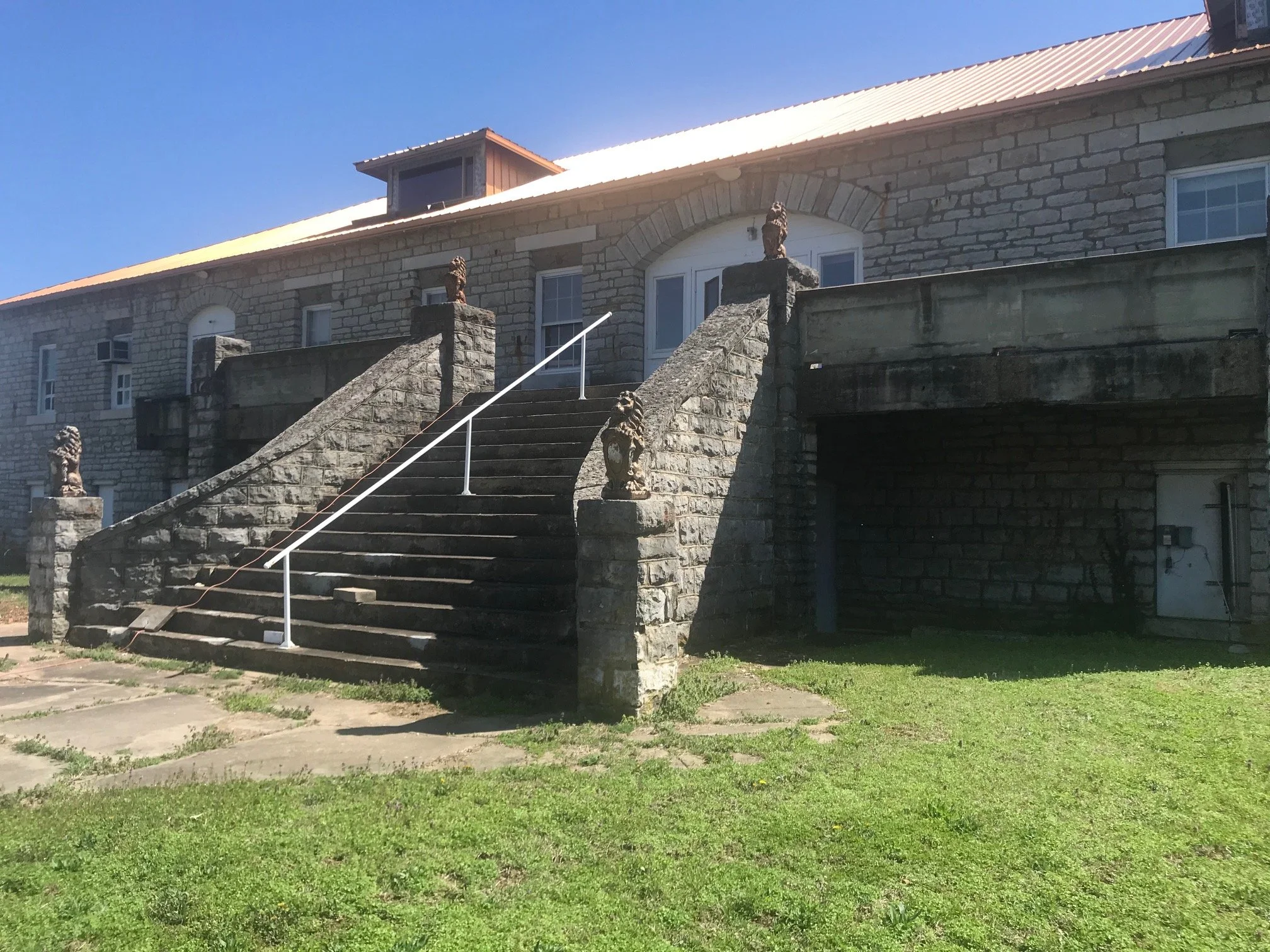
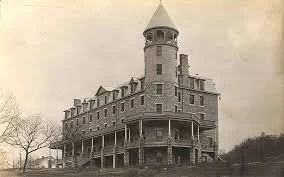
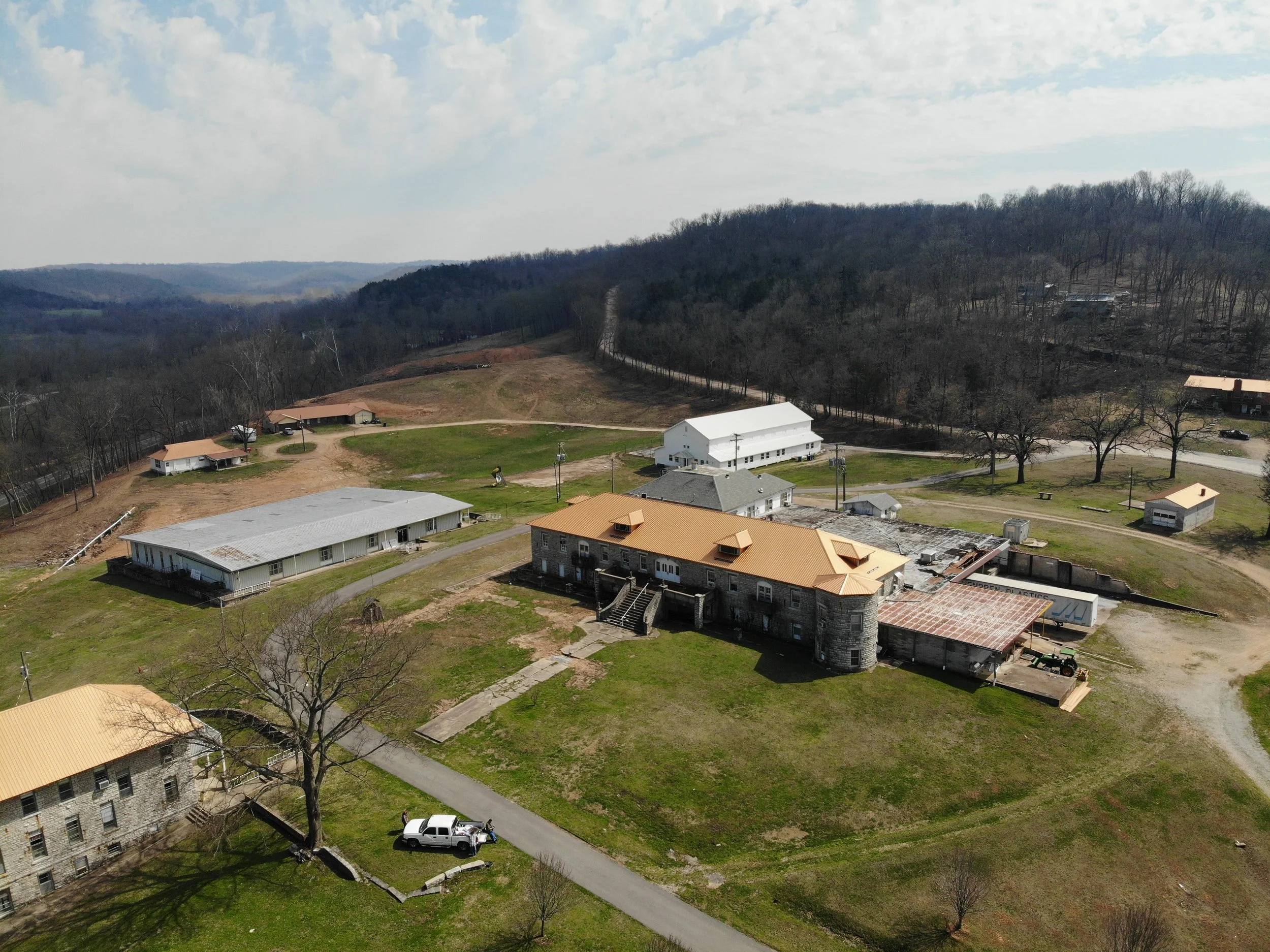
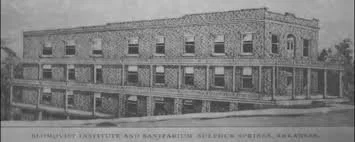
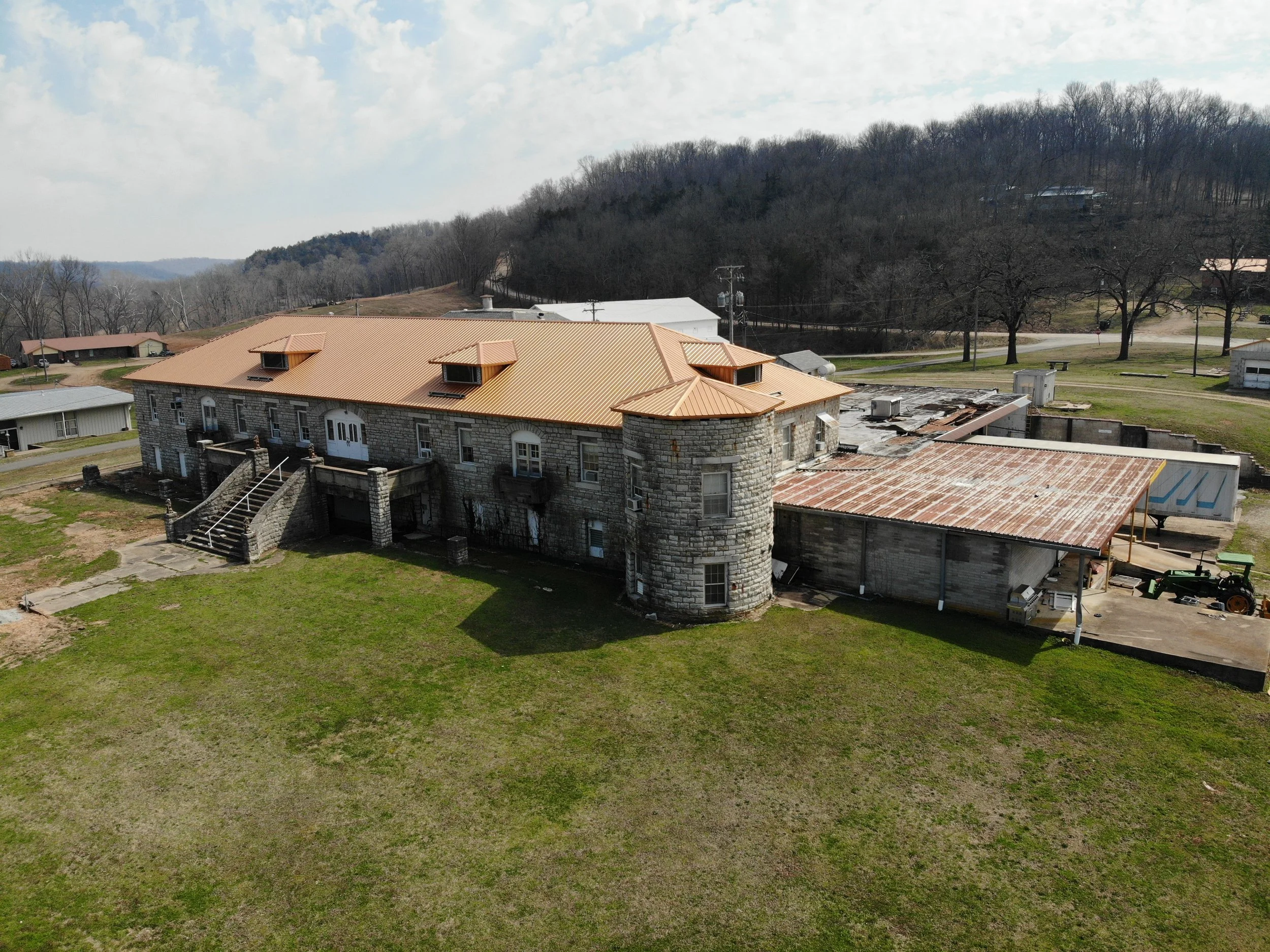
In May 1909, the Kihlberg Hotel opened, built by the sulphur Springs Sanitarium Hotel and Bath Company and was named for Oscar Kihlberg a city promoter. The hotel was constructed of native limestone and was five stories high, with 100 rooms.
In 1924, evangelist John Brown, who had earlier opened John E. Brown College in Siloam Springs (Benton County Arkansas), bought the Khilberg Hotel, along with much of downtown Sulphur Springs, and opened John Brown University.
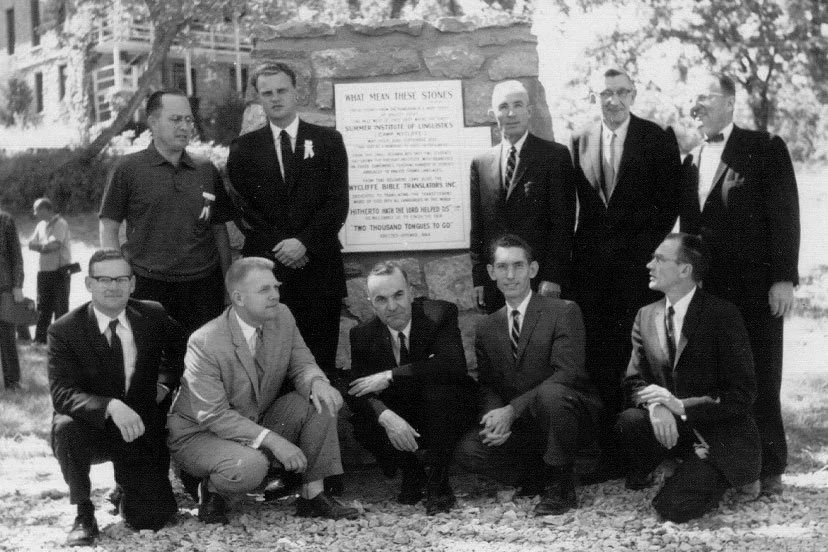
In 1930, the Kihlberg property became the Julia A. Brown School for Children. Four years late, Cameron Twnsend, founder of Wycliffe Bible Translators, founded a linguistics school dubbed Camp Wucliffe at Sulphur Springs.
The Julia A Brown School for Children was replaced in 1937 with Brown Academy, a Military academy. On January 2 1940 the academy burned. It was rebuilt, though only to the second floor.
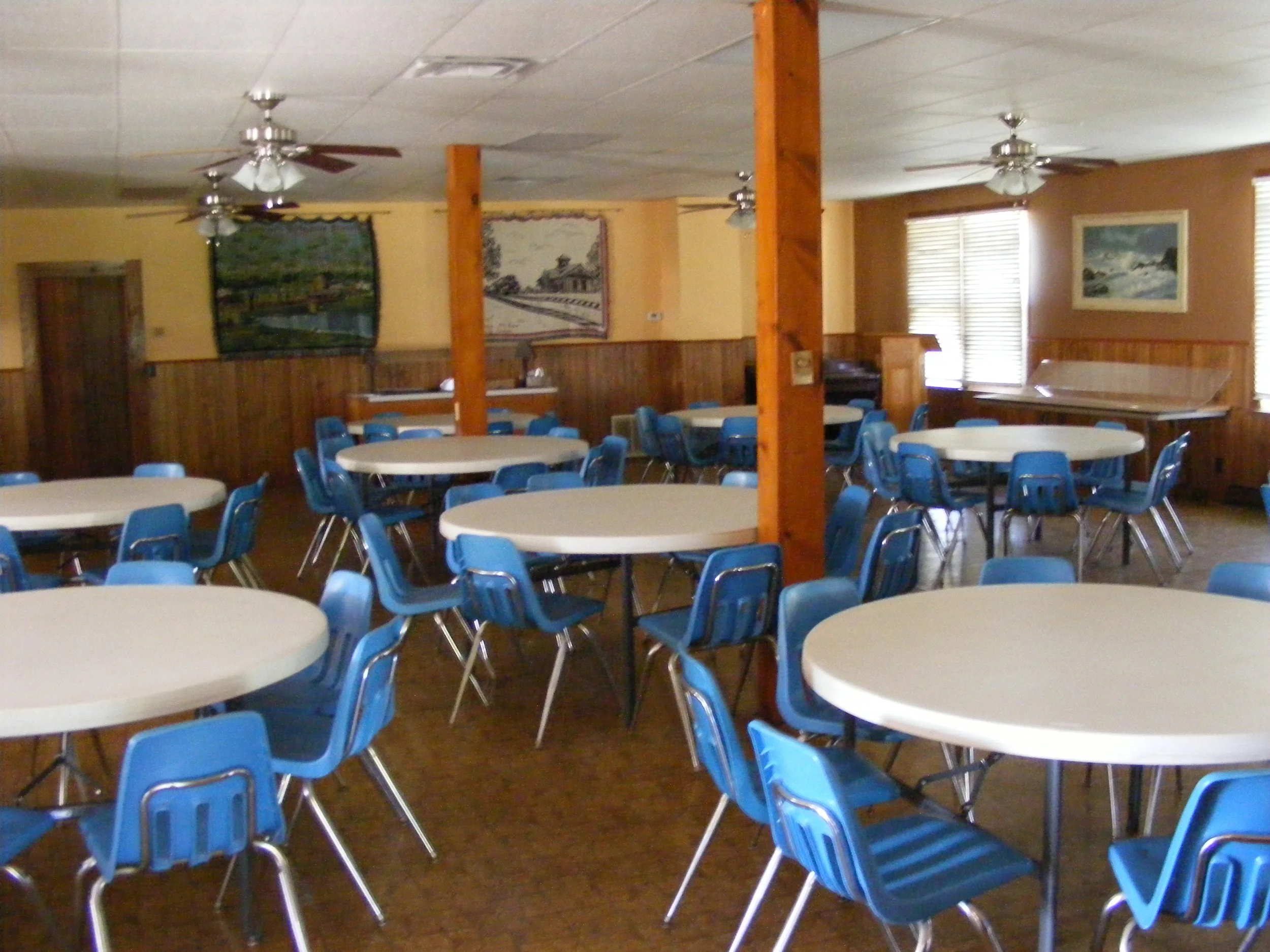
In 1948the school added a cafeteria building that formerly served as a barracks at Camp Crowder in Missouri.
In 1951, John Brown sold his Sulphur Springs properties to Wycliffe Bible Translators, which used the properties for congrences and the like.
In 1968, the Shiloh Community - a religious intentional community founded near Sherman, New York, in 1942 - relocated to Sulphur Springs, buying and resoring the former Kihlberg Hotel, the thirty-room Livingston Hotel, and another property, builtby John Brown, which became the Shiloh House Parsonage. The community maintained itself through a cariety of enterprises including Shiloh Bakery, though they sold that operation in 2001.
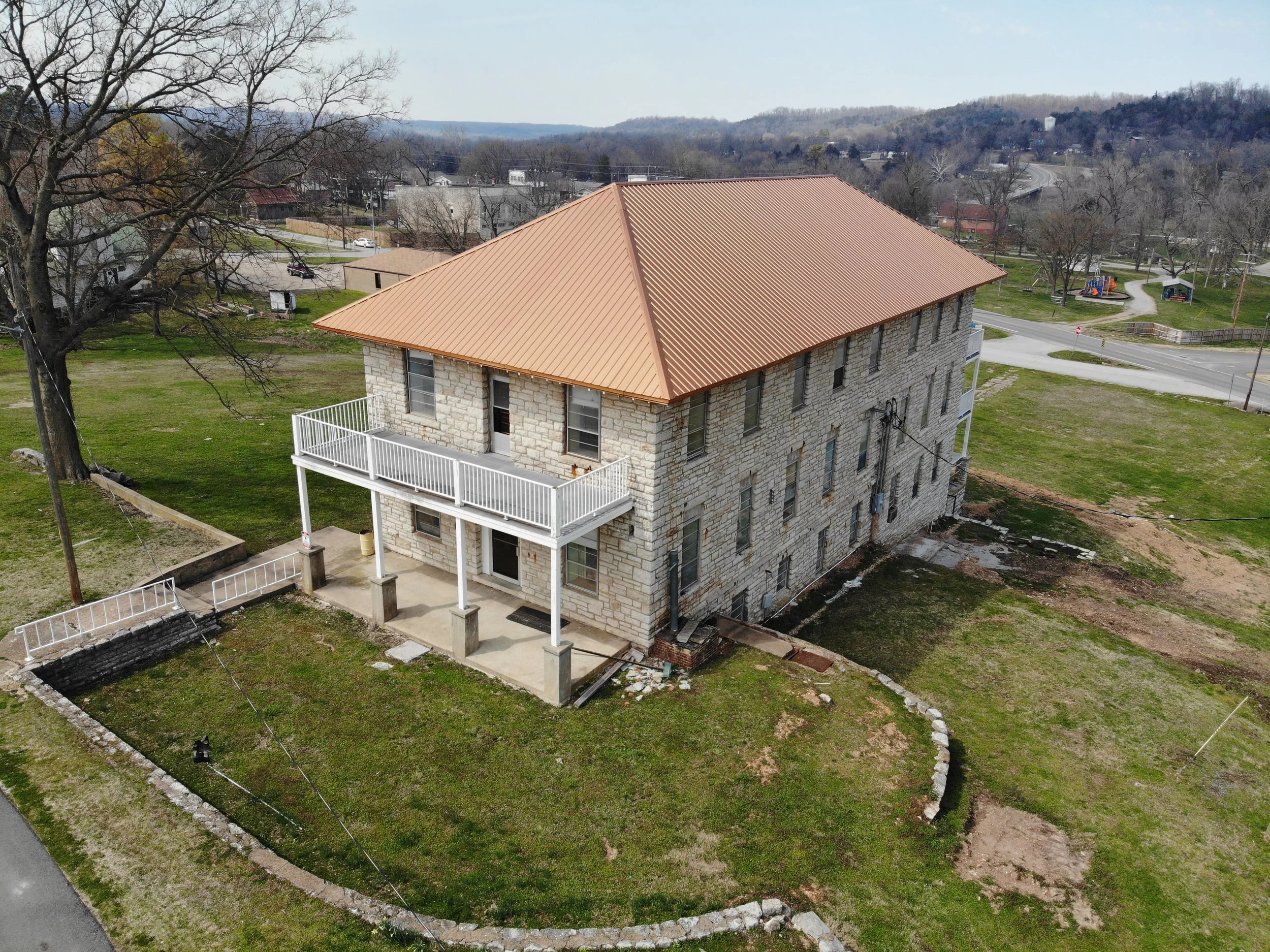
The Livingston Hotel
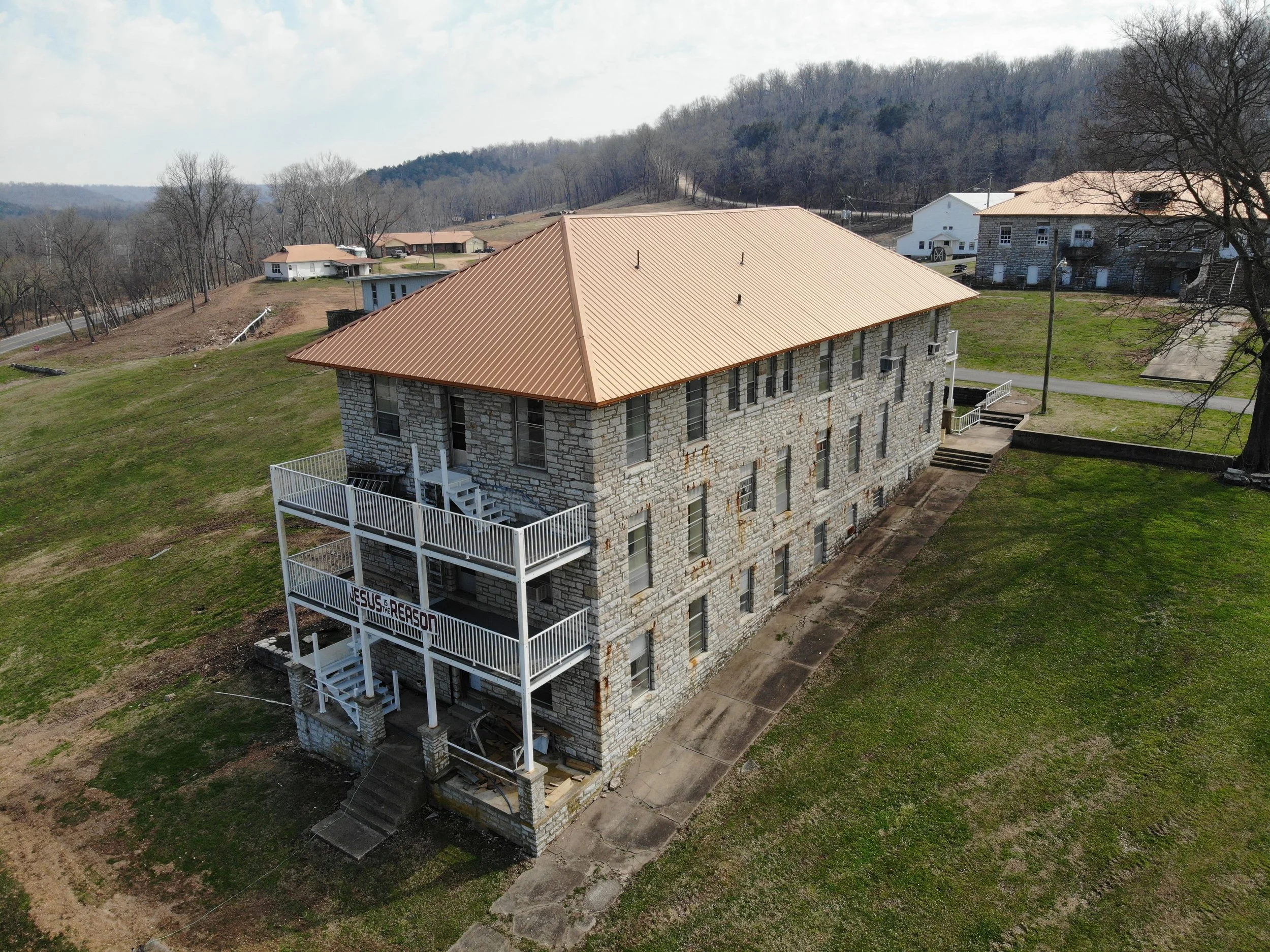
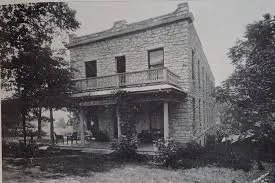
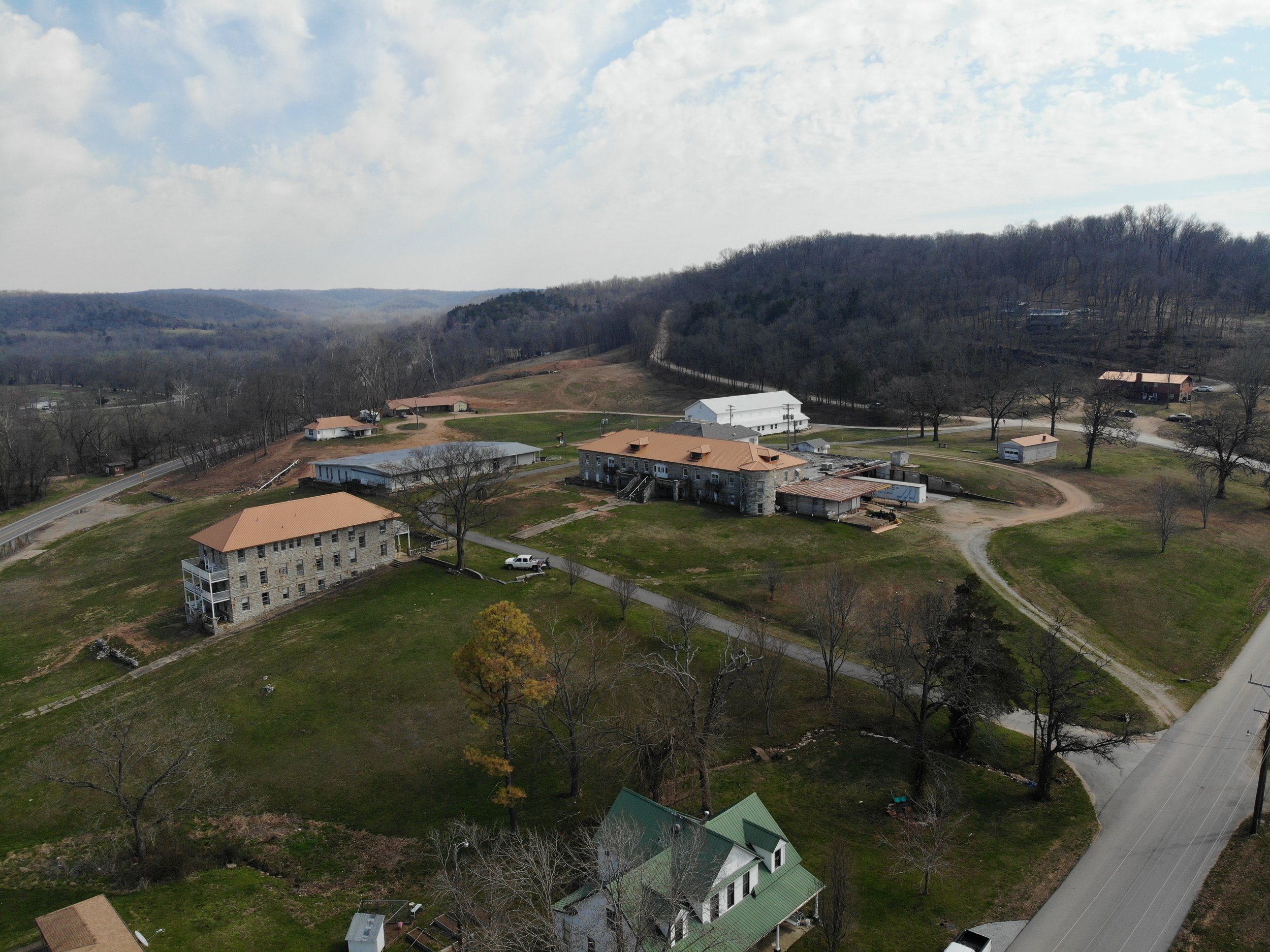
The Livingston Hotel
The Livingston Hotel in Sulphur Springs, Arkansas, is a historic, three-story stone building constructed around 1910, often associated with the adjacent Khilberg Hotel. Once a railroad resort hotel, it has undergone various transformations over the decades, including serving as part of a religious complex. It is now privately owned and undergoing restoration, not currently operating as a public hotel.
Facebook +3
Key Historical & Current Details:
Origin: Built around 1910, the hotel was part of a, complex aimed at tourists drawn to local springs and the Kansas City Southern Railroad, which was a hub in the early 20th century.
Structure: It is a three-story stone structure located along Highway 59.
History: The building has faced fires and has been repurposed multiple times, including as a health sanitarium and part of the Shiloh missionary complex.
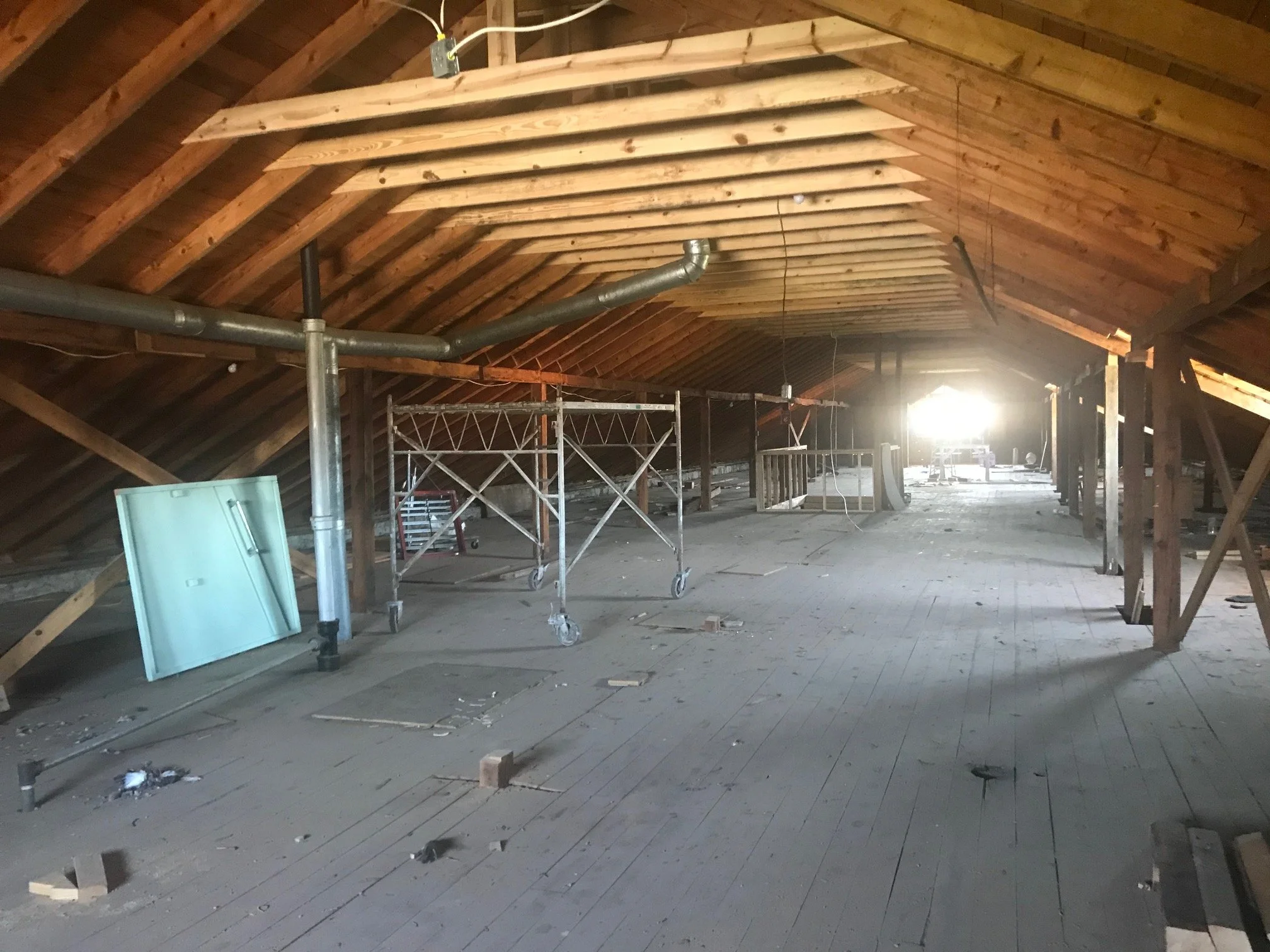
Current Status: As of 2024, the property is privately owned,, and is undergoing restoration, but it is not open for public, access or lodging